Huang Zhe

  • Tel: +86-21-34208469
  • Email: zhehuang@sjtu.edu.cn
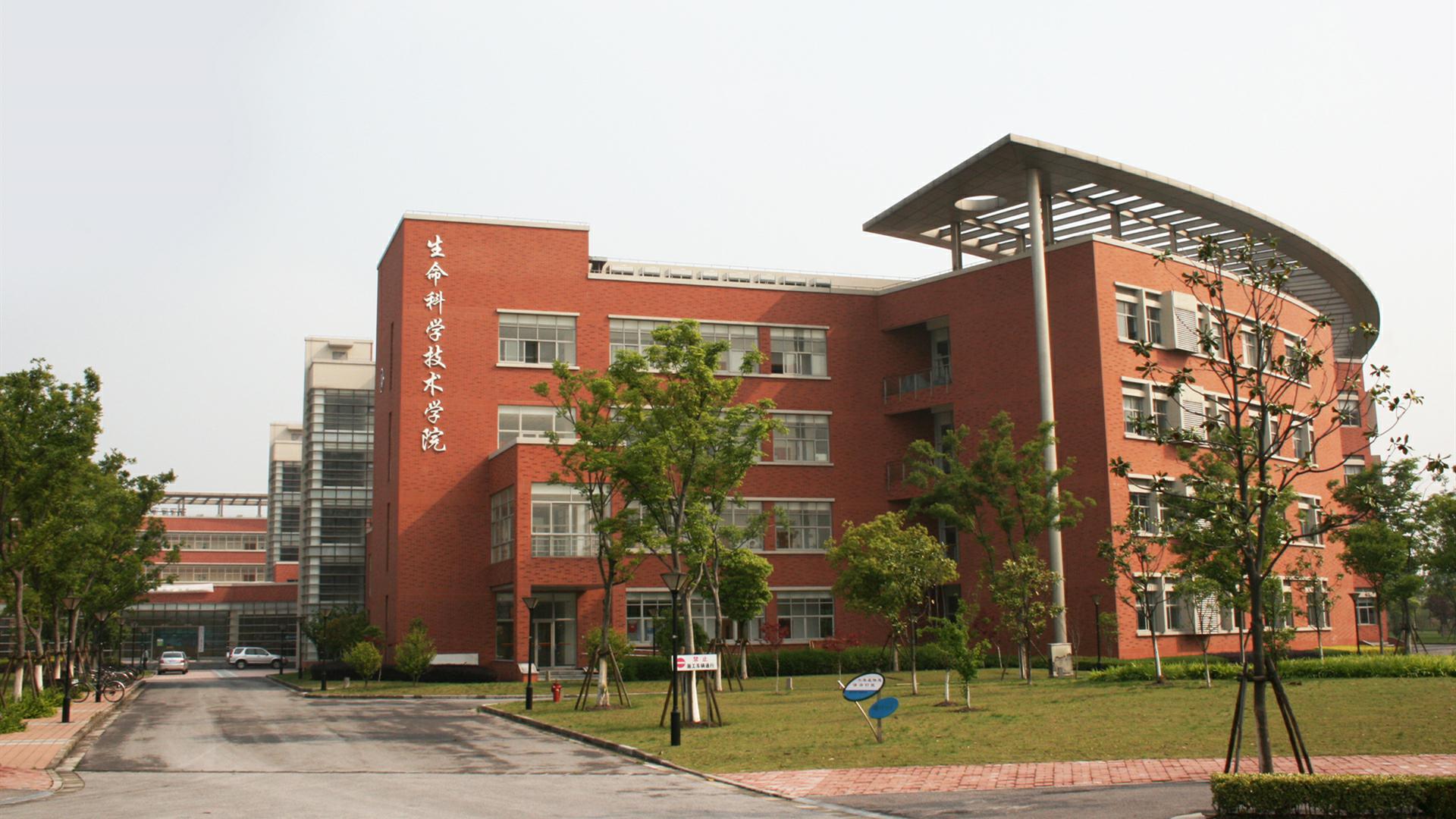
  • Address: Rm 303, Bldg 2, School of Life Sciences and Biotechnology, Shanghai Jiao Tong University
  • Lab Web: https://orcid.org/0000-0003-4943-3723
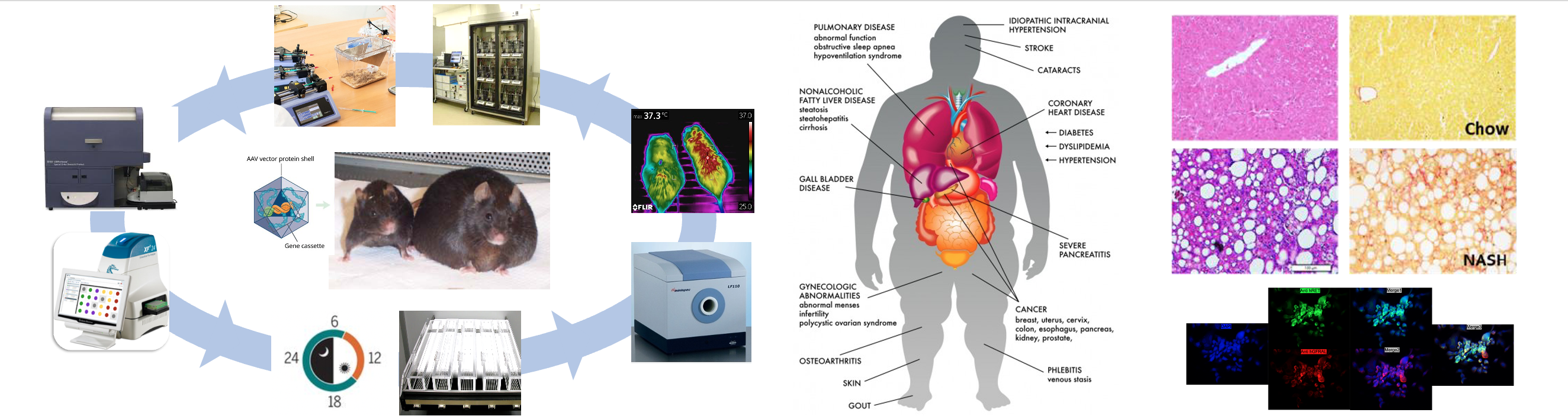
  • Our research focus on immunometabolic regulation and metabolic diseases. In-vivo, ex-vivo, in-vitro experiments and multiomics-based approaches with various disease models are applied to explore immunometabolic functions of novel hormones and GPCRs and the underlying mechanisms. Domestic & international students are welcomed.

Education and Research Experience

  • 2020 - Present: School of Life Sciences and Biotechnology, Shanghai Jiao Tong University, Associate Professor 
  • 2017 - 2020: LKS Faculty of Medicine, The University of Hong Kong,Postdoctoral Fellow
  • 2012 - 2016: LKS Faculty of Medicine, The University of Hong Kong,PhD
  • 2009 - 2011: Randall Centre for Cell & Molecular Biophysics, King's College London, Research Assistant
  • 2007 - 2008: GlaxoSmithKline (Harlow), Industrial Placement
  • 2004 - 2009: University of Glasgow, BSc (in Biochemistry)

Research Interests

Hepatic microenvironment in the pathogenesis of metabolic dysfunction-relate...

Hepatic microenvironment in the pathogenesis of metabolic dysfunction-related steatohepatitis (MASH)

G protein-coupled receptors in metabolic diseases

G protein-coupled receptors (GPCRs) in metabolic diseases

Peripheral circadian clocks in metabolic regulation

Peripheral circadian clocks in metabolic regulation

Selected Publications

  • •  

    F. Yang, W. Wang, F. Qiu, R. Qing, Q. Gao, X. Yan, D. Wu, H. X. Hui, R. Dang, G. Jiang, L. Han, C. Long, S. Hua, Y. Zhang, S. Ji, L. Xu, C. Zhou, D. Xu, A. Cherubini, L. Valenti, P. Gu*, S. Zang*, W. Jiang* and Z. Huang*. (2026) Hepatic GPR110 contributes to sex disparity in the development of MASH through oestrogen receptor α-dependent signalling. Nature Metabolism. 10.1038/s42255-025-01436-1

    •  

    Z. Huang, L. Zhong, T. Z. Lee, J. Zhang, D. Wu, L. Geng, Y. Wang, C. Wong and A. Xu. (2017) The FGF21-CCL11 axis mediates beiging of white adipose tissues by coupling sympathetic nervous system to type 2 immunity. Cell Metabolism. 26(3): 493-508.

    •  

    W. Duan, R. Shi, F. Yang, Z. Zhou, L. Wang, Z. Huang*, S. Zang*. (2023) FSTL3 partially mediates the asscoation of increased nonalcoholic fatty liver disease fibrosis risk with acute myocardial infarction in patients with type 2 diabetes mellitus. Cardiovascular Diabetology. 22: 297.(*co-coresponding author)

    •  

    L. Xu*, Z. Huang*, T. H. Lo, J. T. H. Lee, R. Yang, X. Yan, D. Ye, A. Xu and C. M. Wong. (2022) Hepatic PRMT1 ameliorates diet-inuced hepatic steatosis via induction of PGC1a. Theranostics. 12(6): 2502-2518. (*co-first author)

    •  

    T. Z. Lee*, Z. Huang*, K. Pan, J. Zhang, C. W. Woo, C. Wong and A. Xu. (2016) Adipose-derived LCN14 alleviates hyperglycaemia by suppressing both adipocyte glycerol efflux and hepatic gluconeogenesis in mice. Diabetologia. 59(3): 604-613. (*co-first author)

  • •  

    Z. Huang, HK Sung, X. Yan, S. He, L. Gang, Q. Wang, X. Wu, H. Hsu, A. Pignalosa, K. Crawford, G. Sweeney, A. Xu. (2024) The adiponectin-derived peptide ALY688protects against the development of metabolic dysfunction-associated steatohepatitis. Clinical and Translational Science. 17: e13760.

    •  

    Z. Huang and A. Xu. (2021) Adipose extracellular vesicles in intercellular and inter-organ crosstalk in metabolic health and diseases. Frontiers in Immunology. 12: 463.

    •  

    L. Geng, B. Liao, L. Jin, Z. Huang, C. R. Triggle, H. Ding, J. Zhang, Y. Huang, Z. Lin and A. Xu. (2019) Exercise alleviates obesity-induced metabolic dysfunction via enhancing FGF21 sensitivity in adipose tissues. Cell Reports. 26(10): 2738-2752.

    •  

    Z. Huang, A. Xu, B. M. Y. Cheung. (2017) The potential role of fibroblast growth factor 21 in lipid metabolism and hypertension. Current Hypertension Reports. 19(4): 28-33.

    •  

    K. Y. Kong, H. M. Tang, K. Pan, Z. Huang, T. Z. Lee, A. G. Hinnebusch, D. Y. Jin and C. M. Wong. (2014) Cotranscriptional recruitment of yeast TRAMP complex to intronic sequences promotes optimal pre-mRNA splicing. Nucleic Acids Res 42(1): 643-660.